Below the Surface of the Ionian
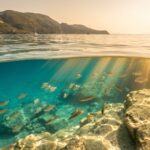
Corfu does not market itself as a snorkelling destination. It should. The Ionian Sea along the island’s coast is remarkably clear — visibility routinely exceeds fifteen metres — and the combination of rocky shorelines, submerged caves, and protected marine areas creates underwater scenery that rivals more famous Mediterranean spots. The difference is that in Corfu, you often have it to yourself.
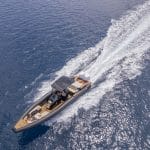
The best snorkelling on the island is not accessible from the beach. The most interesting formations, the clearest water, and the greatest marine diversity sit along stretches of coast that face open water, where boats anchor and the shore is rock rather than sand. A Tour privato in barca is the way to reach them — and the way to move between multiple spots in a single day.
Nissaki: The Northeast Jewel
Nissaki, on Corfu’s northeast coast below the slopes of Mount Pantokrator, is where many local divers learned their craft. The shore drops steeply into water that reaches ten metres within a few strokes, and the rocky seabed is covered in neptune grass meadows that shelter a surprising density of marine life.
What You See
Mediterranean parrotfish — vivid blue-green and surprisingly large — graze on the rocks. Moray eels tuck into crevices. Octopus, if you have patience and a good eye, occupy the gaps between boulders, their colour shifting to match the stone. Schools of damselfish pulse above the grass beds, catching the light.
Best Conditions
Morning, before any onshore breeze develops. The water at Nissaki is typically its clearest between 8:00 and 11:00 AM. Your skipper can anchor just north of the main bay, where the rocks are less visited and the marine life less disturbed.
Paleokastritsa: The Famous Caves
The six bays of Paleokastritsa on the west coast are Corfu’s most photographed feature, and beneath the surface, they deliver. The sea caves that punctuate the cliffs between the bays create a unique snorkelling environment — dark chambers opening into pools of light, with fish congregating at the cave mouths where nutrient-rich water circulates.
What You See
The caves themselves are the star. Swimming into a low-ceilinged cave where the light refracts off the sandy bottom and turns the water electric blue is an experience that does not translate to photographs. Beyond the visual drama, the cave walls host sea sponges, red coral fragments, and small shrimp.
Outside the caves, the rocky walls of the bay drop vertically into clear water. Grouper patrol the deeper sections, and shoals of bream orbit the cliff base.
Best Conditions
Paleokastritsa faces west, so morning is best for calm water. The caves are accessible on calm days only — even moderate swell makes them uncomfortable. Your skipper will assess conditions and suggest alternative west coast spots if needed.
Cape Drastis: White Cliffs Below the Waterline
The mushroom rock formations at Cape Drastis are impressive above water, but the snorkelling below them reveals a different landscape. The white clay cliffs continue underwater, creating an unusual pale seabed that reflects light upward and makes everything visible in extraordinary detail.
What You See
The channels between the rock pillars create natural swim-throughs at snorkelling depth. Starfish cling to the white rock surfaces. Small wrasse dart between crevices. The clarity — sometimes exceeding twenty metres — makes even modest marine life feel dramatic against the luminous background.
Best Conditions
Calm mornings only. Cape Drastis is exposed to northwest weather, and even a light chop reduces visibility significantly. The reward for getting the right conditions is one of the most unusual snorkelling environments in the Ionian.
The Paxos Sea Caves
The west coast of Paxos is a continuous wall of pale limestone, riddled with caves that range from small grottoes to cathedral-sized chambers. Several of these caves have submerged entrances that create extraordinary snorkelling opportunities.
What You See
The famous Blue Cave of Paxos gets its name from the way light enters through underwater openings and bounces off the white limestone bottom, filling the chamber with an intense cobalt blue glow. Snorkelling at the cave entrance — where the blue interior meets the green exterior water — is mesmerising.
Other caves along the coast offer swim-throughs, where you enter on one side of a rock formation and emerge on the other. The passages are wide and well-lit, with marine life concentrated around the entrances.
Best Conditions
The west coast of Paxos requires calm seas. On suitable days, a full-day Paxos boat tour can combine beach time at Antipaxos with cave snorkelling on the return route.
Sivota Lagoon: Easy Snorkelling for Everyone
The Blue Lagoon at Sivota, on the Greek mainland opposite Corfu, offers a completely different snorkelling experience. The shallow, sheltered water over white sand is warm and calm, making it ideal for beginners and children.
What You See
The marine life here is less dramatic than the rocky coasts, but the visibility is outstanding. Small flatfish camouflage on the sand. Sea cucumbers sit motionless in the shallows. Around the rocky edges of Mourtemeno island, wrasse and bream are plentiful.
The appeal is the water itself — the ease of floating in three metres of bathtub-warm clarity, the white sand visible below, the sunlight playing patterns on the bottom.
Kalami and Kouloura: The Durrell Coast
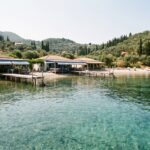
The northeast coast between Kalami and Kouloura — the stretch that Lawrence Durrell wrote about in Prospero’s Cell — offers gentle, accessible snorkelling along a rocky shore lined with olive trees.
What You See
The shallow reef that runs parallel to the coast hosts dense beds of neptune grass, where seahorses are occasionally spotted. Cuttlefish cruise the sandy patches between rock and grass. The small harbour at Kouloura, barely thirty metres across, has underwater stonework from old harbour walls that has been colonised by marine growth.
Best Conditions
This stretch is sheltered from the prevailing wind and remains calm most days. It is an excellent choice for a gentle snorkelling session combined with a swim stop and lunch at the Kouloura taverna.
What Is Provided on Board
Most SeaDreamers vessels carry quality snorkelling equipment — masks, snorkels, and fins in multiple sizes. If you have prescription requirements or prefer your own gear, you are welcome to bring it. The crew can provide guidance on fitting and technique for first-time snorkellers.
Wetsuits are not typically needed from June through September, when water temperatures range from 22 to 27 degrees. In May and October, a rash vest or thin wetsuit adds comfort during extended time in the water.
A Note on Marine Conservation
The Ionian’s marine environment is healthy partly because of responsible practices. When snorkelling, avoid touching coral, sea sponges, or marine life. Do not stand on neptune grass meadows. Take nothing from the water. These simple practices ensure that the next visitor sees the same abundance.
Frequently Asked Questions
Do I need to be a strong swimmer to snorkel in Corfu?
No. Many snorkelling spots — especially the Sivota lagoon and sheltered bays on the northeast coast — are shallow and calm. Life jackets and flotation aids are available on board for anyone who wants extra confidence in the water.
Which boat tour includes the best snorkelling spots?
The full-day Paxos and Antipaxos tour includes the sea caves and multiple snorkelling stops. The northwest Corfu tour covers Cape Drastis and Paleokastritsa. Both are excellent for snorkelling.
Is snorkelling equipment included on private boat tours?
Yes. Masks, snorkels, and fins are provided on SeaDreamers boats at no extra charge. The equipment is maintained and sanitised between uses.
Can children snorkel on Corfu boat tours?
Absolutely. Several spots — the Sivota lagoon, Kalami bay, and the sheltered coves of northeast Corfu — are ideal for young snorkellers. Child-sized equipment is available.
Dive In
The Ionian Sea around Corfu hides a world that most visitors never see. A single day on a private boat, moving between two or three carefully chosen spots, reveals enough marine beauty to change how you think about this island. The water is clear. The life is abundant. You just need to put your face in.
Contattate SeaDreamers to plan a boat tour that puts snorkelling at the centre of your Corfu experience.

 English
 Ελληνικά
 Italiano
 Français
 Deutsch
 Español
 Română
 עִבְרִית