Corfu reveals its most memorable side from the water.
Beyond the busy beaches and inland roads lies a quieter world of carved coastlines, calm coves, and luminous blue stretches that reward slow exploration. Through exclusive Ionian routes from Corfu, SeaDreamers treats the coastline as a curated experience rather than a checklist of sights, shaping Corfu boat trips around atmosphere, access, and ease. These Ionian Sea destinations are chosen for how they feel, not just how they look.
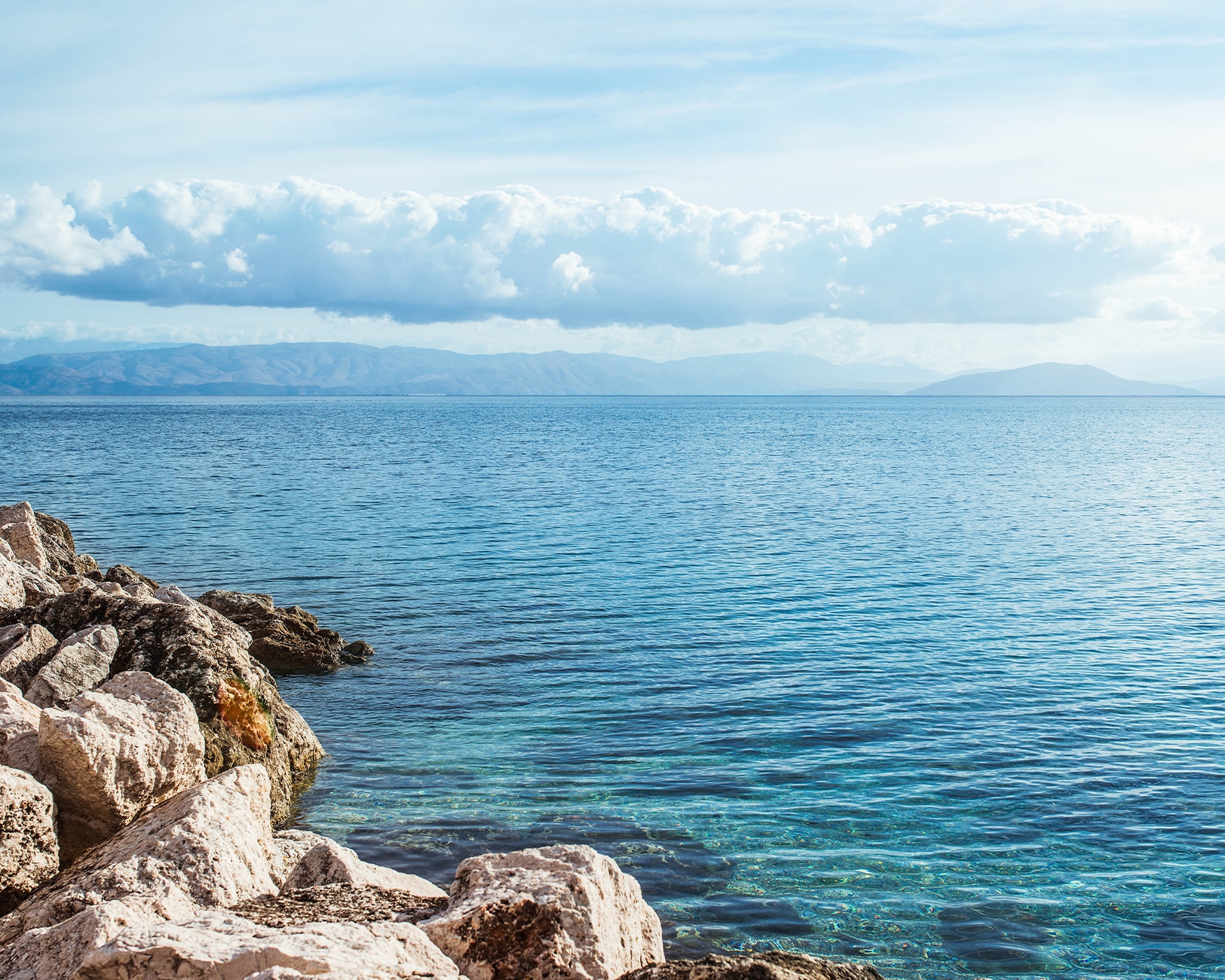
Paxos and Antipaxos: The Southern Jewels
The route south to Paxos is one of the most rewarding day trips you can take from Corfu. Covering roughly 30 nautical miles, the crossing takes you through open Ionian waters before the low green silhouette of Paxos appears on the horizon. The first stop is typically Gaios, the island’s main harbour, where stone buildings line a narrow channel and fishing boats bob alongside larger vessels. Gaios has an understated elegance — tavernas serve fresh catch of the day, and the pace is noticeably slower than anything you will find on Corfu’s busier east coast.
From Gaios, the route follows the western cliffs of Paxos, where the sea has carved dramatic caves into the limestone over thousands of years. The Blue Caves here rival anything in Zakynthos, though far fewer people know about them. Light enters through underwater openings and turns the water a deep, almost electric blue. Your skipper can bring the boat close enough to swim inside when conditions allow.
The visual highlight of this Paxos boat trip comes at Antipaxos. Voutoumi Beach is the standout — a crescent of white pebbles backed by scrubby hillside, with water so clear it looks like a swimming pool cut into the rock. Vrika Beach, just to the north, is equally striking. Both are best reached by boat, which means you avoid the crowds that arrive on the larger tour vessels from Corfu Town. Arriving by private boat means choosing your timing and anchoring where you please.
The Sivota Coastline: Blue Lagoon and Beyond
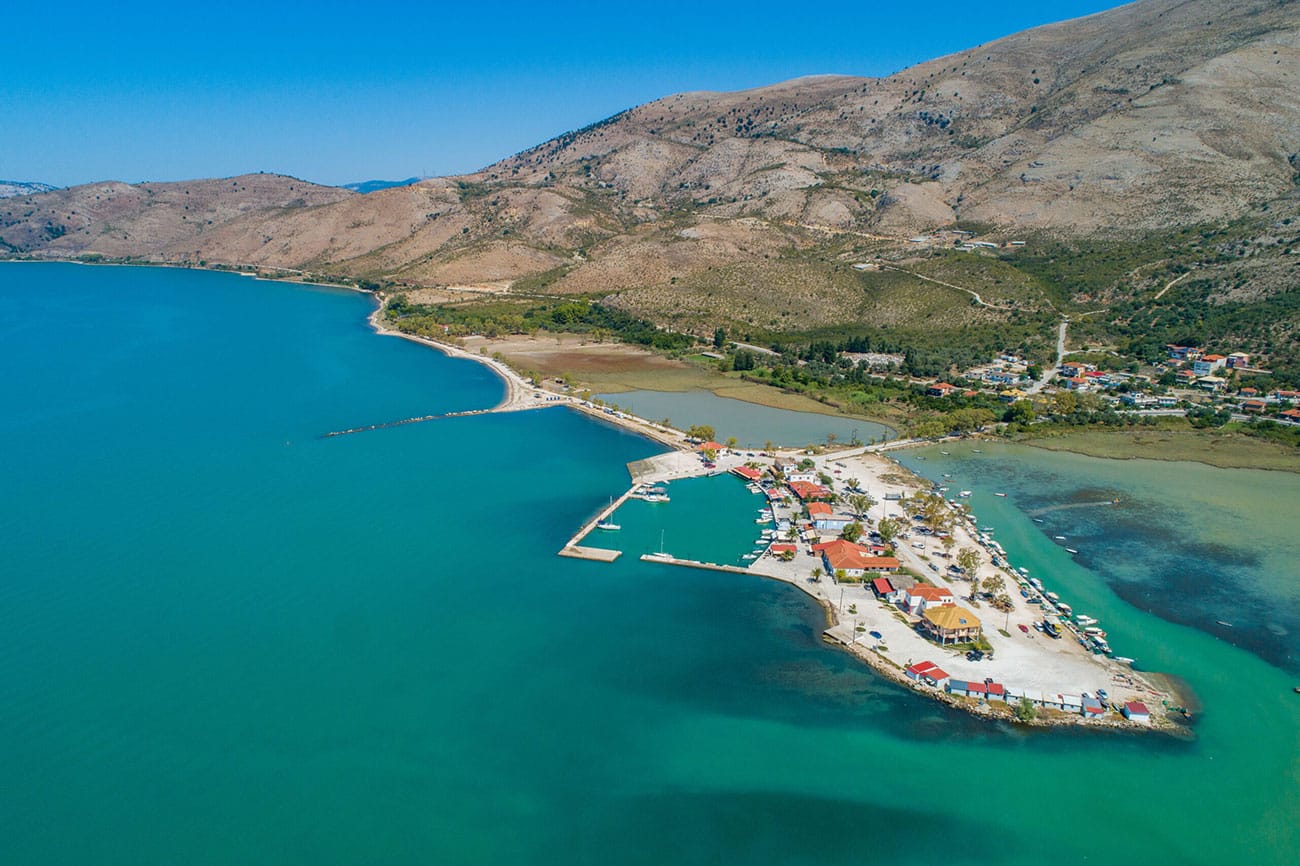
Heading east from Corfu toward the Greek mainland brings you to the Sivota coastline, a stretch of water that regularly surprises first-time visitors. The crossing itself is short — roughly 40 minutes depending on conditions — but the change in scenery is dramatic. Where Corfu’s coast tends toward high cliffs and dense vegetation, Sivota offers a more intimate landscape of small inlets, sandy beaches, and pine-covered hillsides that slope gently to the water.
The centrepiece is the Blue Lagoon, a shallow, sheltered bay between two small islands where the water shifts between pale turquoise and deep green depending on the angle of the sun. It is one of those places where photographs never quite capture the colour accurately. Swimming here in the morning, before the wind picks up, is one of the finest experiences available anywhere in the Ionian.
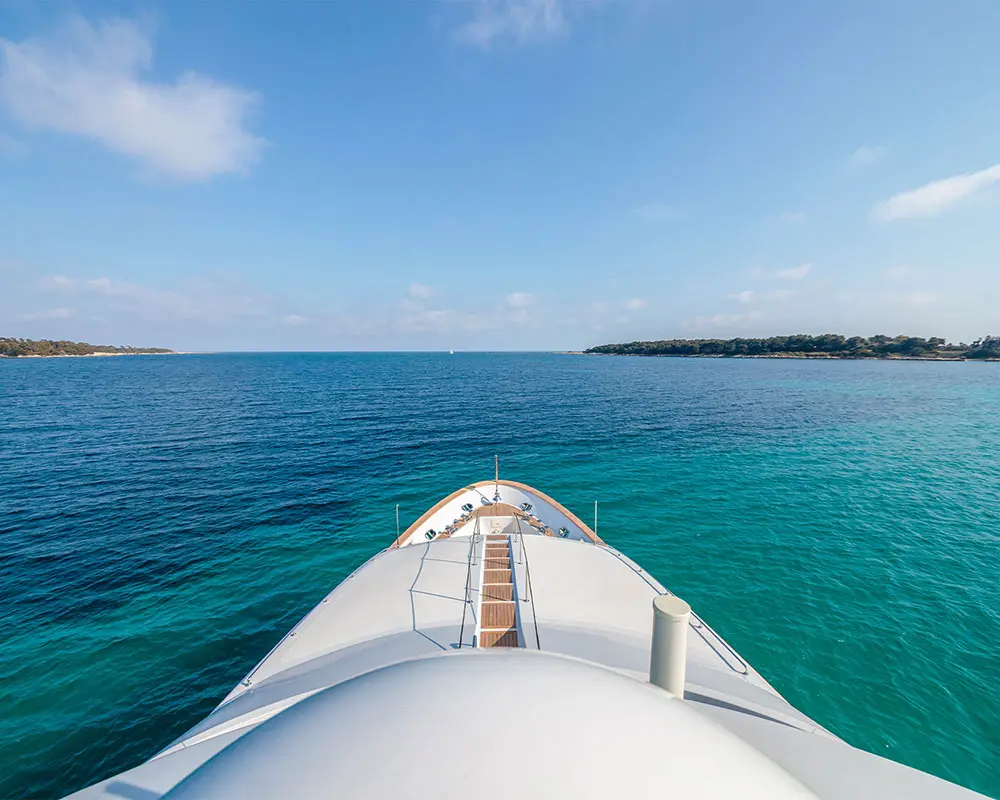
The town of Sivota itself is worth a stop for lunch. The waterfront tavernas serve grilled octopus, fresh sea bream, and local wines at prices that feel very reasonable compared to the more tourist-oriented spots on Corfu. After lunch, the route back can include a stop at Bella Vraka, a sandbar beach connecting a small islet to the mainland that you can walk across at low tide. This is part of what makes the Sivota full-day boat tour such a complete experience.
Northeast Corfu: Caves, Coves, and Kassiopi
The northeast coast of Corfu is head-turningly beautiful, and it remains one of the most rewarding areas to explore by boat. Starting from around Barbati and heading north, the coastline becomes increasingly dramatic — high white cliffs dotted with caves, tiny pebble beaches accessible only from the sea, and water that runs from pale green in the shallows to a deep navy blue just metres offshore.
Key stops along this stretch include Ipsos Cave, a narrow sea cave where the acoustics alone make it worth a visit; Glyfa Beach, a hidden strip of white pebbles backed by olive trees; Agios Arsenios Cave, larger and deeper than Ipsos with stunning light effects in the morning; and Kerasia Beach, a favourite among those who know the northeast coast well. Each of these spots is best visited by boat, and most remain uncrowded even during peak season because there is no road access.
Further north, the harbour town of Kassiopi makes a natural turning point. The Venetian fortress above the town offers a reminder of Corfu’s layered history, while the harbour itself is small and welcoming. A coffee stop here before the return journey south rounds out a full day on the water. Combining Kassiopi with stops at Akoli or Avlaki creates a route that covers roughly 60 kilometres of coastline and reveals a side of Corfu that most visitors never see. For those interested in this stretch, a northeast Corfu full-day tour covers it all.
Routes Shaped by Sea and Preference
What makes these routes genuinely exclusive is not just the destinations but the approach. Every day unfolds according to conditions and the feelings of the group onboard. Guests who prefer more swimming than exploring can structure their day that way. Those who want to photograph every sea cave and cliff formation can do exactly that. There is no fixed schedule, no megaphone announcements, no competing with forty other passengers for the best spot on deck.
Wind direction, sea state, and even the position of the sun all influence which route works best on any given day. A northwesterly breeze might mean the northeast coast is calm and ideal for cave exploration. A still morning might be perfect for the longer crossing to Paxos. Your skipper reads these conditions and adjusts, which means no two days are ever quite the same.
Why These Routes Feel Truly Exclusive
The word exclusive gets overused in travel marketing, but there is no better way to describe what it feels like to anchor in a cove that has no road access, no sunbeds, and no other boats. These exclusive Ionian itineraries are built around the small coves, uncrowded anchorages, and intimate coastal moments that define the region at its best.
But what stays with you longest is not the exclusive label itself. It is the stillness between the stops, the depth of colour in the water, and the way the light changes as the rocks and cliffs turn toward the sun and away again as evening approaches. Whether you choose to explore the Corfu coastline by rental boat or join one of our guided routes, the Ionian rewards those who take their time and look closely.
Frequently Asked Questions
What are the best sea routes from Corfu?
The most popular exclusive routes include the Paxos and Antipaxos loop (south), the Sivota and Blue Lagoon route (east toward the mainland), and the northeast Corfu coastal route covering Kassiopi, Kerasia, and the sea caves near Barbati. Each offers a different character and can be adjusted based on weather and personal preference.
How long does a typical Corfu sea route take?
Most full-day routes run from approximately 09:00 to 17:00 or 18:00, covering between 40 and 80 nautical miles depending on the itinerary. Half-day options are also available for shorter stretches like northeast Corfu or a focused Sivota visit.
Can I customise the route on the day?
Absolutely. SeaDreamers routes are flexible by design. Your skipper will suggest a plan based on weather and sea conditions, but you are free to spend more time swimming, skip a stop, or add an unplanned beach visit along the way.
Are these routes suitable for families with children?
Yes. The boats are stable and safe, and the pace can be adjusted for younger passengers. Many of the coves along these routes have calm, shallow water that is ideal for children to swim in safely.
What is the best time of year for these sea routes?
The season runs from May through October. June and September offer warm weather with calmer seas and fewer boats. July and August are peak months with the warmest water, though popular spots like Voutoumi Beach on Antipaxos can get busier in the afternoon.


 English
 Ελληνικά
 Italiano
 Français
 Deutsch
 Español
 Română
 עִבְרִית